
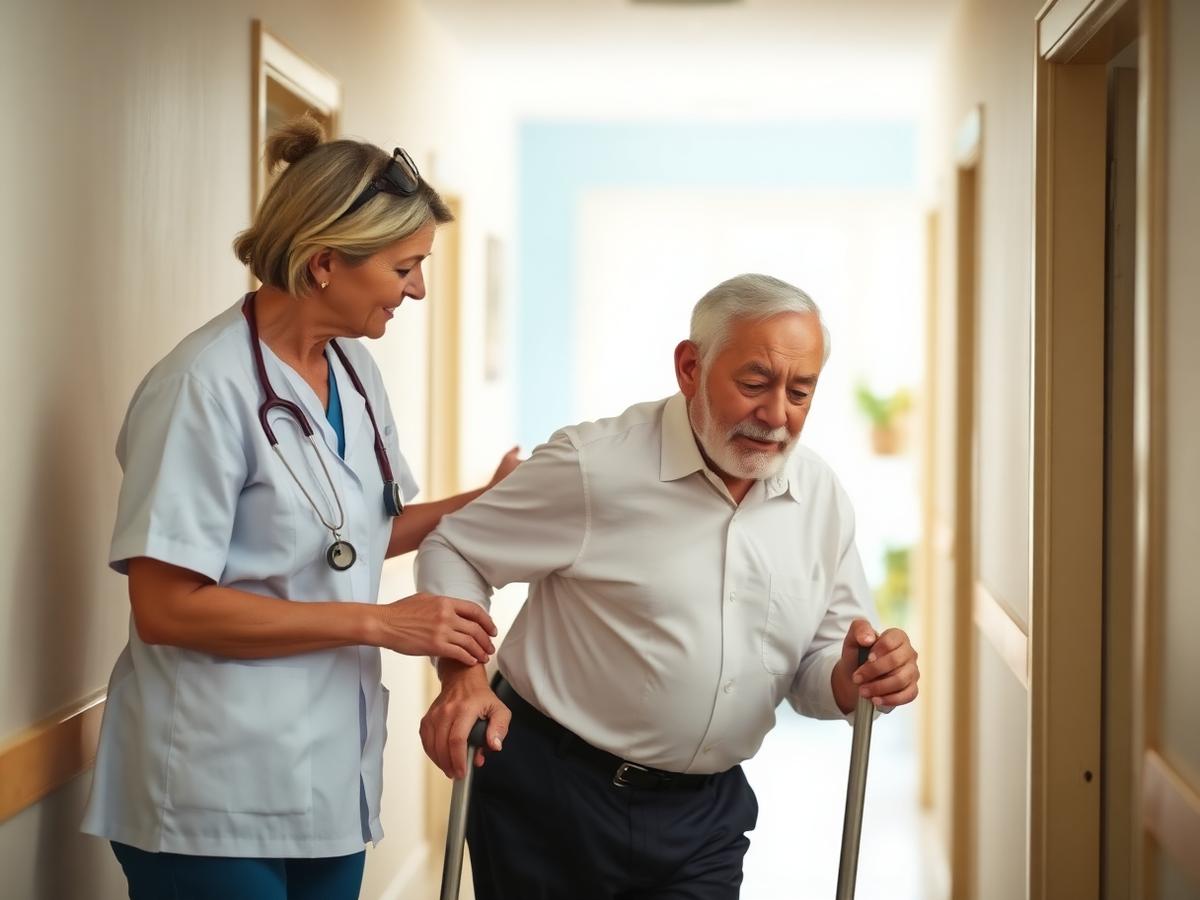
The first 90 days at home after a stroke are a useful period for organizing rehabilitation and support, not a deadline for recovery. Some abilities change quickly, others take longer, and needs may continue well beyond three months. The type and severity of stroke, other health conditions, fatigue, and access to appropriate rehabilitation all influence the course. Your loved one's treating team should guide expectations and activity recommendations.
Families can make a meaningful contribution by supporting the prescribed plan, noticing changes, and helping the person participate in daily life without taking over every task. Start with a manageable routine and a few patient-centered goals. Recovery is rarely a straight line, and difficult days do not automatically mean the plan has failed.
Make the first days about clarity and safety
Review the discharge instructions, medication changes, and emergency warning signs. Confirm follow-up appointments and who will coordinate rehabilitation. Ask about safe transfers, walking, bathing, eating, and time alone. If swallowing precautions were prescribed, make sure everyone preparing food understands them. Do not offer a different texture or thinner liquid without approval because it seems easier or more appetizing.
Prepare the actual home routes and equipment recommended by the team. Weakness, altered sensation, visual changes, or inattention can affect safety in ways that are not obvious to relatives. Ask for demonstrations rather than improvising assistance. Keep a current medication list and essential contact numbers accessible. If the home setup cannot meet current needs, discuss additional support or another care setting promptly.
Understand the different rehabilitation roles
Physical therapy can address mobility, strength, balance, and transfers. Occupational therapy focuses on daily tasks and strategies for functioning in the home. The treating team may also coordinate support for communication or swallowing concerns when needed. Not every patient needs every discipline, and the rehabilitation approach depends on evaluation and orders.
Ask each professional to explain the connection between an exercise or strategy and a meaningful daily goal. A task that looks small may support getting dressed, communicating a need, or moving safely to the bathroom. Practice only what the therapist recommends and clarify how much assistance is needed. More practice is not always better if it creates exhaustion, pain, unsafe movement, or frustration.
Build a routine that allows rest and participation
Schedule difficult activities when the patient tends to have more energy and allow breaks. Fatigue after stroke can be significant even when a person appears physically well. Ask about appropriate pacing rather than assuming that reluctance means a lack of motivation. Keep daily routines predictable while leaving room for appointments and changes in stamina.
Encourage the patient to do safe portions of a task themselves. Offer enough help to prevent injury without automatically completing everything for them. If dressing, meals, or bathing takes longer, allow that time. A therapist can help identify the right balance between assistance and practice. Track a few meaningful activities instead of measuring every movement or comparing progress with another stroke survivor.
Support communication and emotional adjustment
Give the person time to respond, reduce background noise, and ask how they prefer to communicate. Trouble speaking does not necessarily mean a person cannot understand or make decisions. Use the communication strategies recommended by the treating therapist rather than speaking louder or finishing every sentence. Include the patient in conversations, even when expression is slow.
Mood changes, anxiety, frustration, and changes in relationships can accompany recovery. Tell the treating team about persistent distress, loss of interest, or significant behavior changes. Caregivers may also need support and respite. Seek immediate help for threats of self-harm or another immediate safety crisis. Rehabilitation includes living with the effects of stroke, not only improving muscle strength.
Use the months as review points, not promises
During the first month, focus on understanding the plan and identifying barriers. In later weeks, review whether goals, equipment, and caregiver help still fit current abilities. By around three months, ask the team about the next phase, but do not assume therapy must end or that recovery is complete. Ongoing services depend on clinical need, orders, setting, and coverage requirements.
New facial droop, arm weakness, trouble speaking, or another sudden neurological change requires 911, even if symptoms improve. Note when the person was last known well and do not drive them yourself when emergency transport is indicated. Home health cannot evaluate a suspected new stroke in place of emergency care. Plano families can ask about coordinated rehabilitation at home, while keeping emergency recognition and patient-specific follow-up at the center of the plan.
A family checklist for each rehabilitation review
Bring the current medication list, upcoming appointments, and a few observations about daily function. Ask which goals remain the priority, what the patient should practice, and what assistance is needed. Include communication, eating, mood, and fatigue as well as walking. A person can make progress in one area while still needing significant help in another. Request clarification when different professionals' instructions appear to conflict.
Ask how the plan will change if the patient becomes able to attend outpatient services or if home needs increase. Verify equipment, supplies, and caregiver arrangements rather than focusing only on therapy visits. Keep the patient's own goals visible: being able to express a preference or participate in a meal may matter as much as a measurable walking distance. The review should produce a practical next step and a clear contact for questions. It should not become a comparison with another survivor or a demand to reach a milestone by a certain date.
A common situation: the family notices fatigue, not weakness
A stroke survivor may complete an activity well once but struggle to repeat it later in the day. Relatives can misinterpret this as lack of effort because the earlier performance looked convincing. Tell the rehabilitation team about the pattern and ask how pacing, rest, and the schedule should be adjusted. Do not automatically increase repetitions to overcome the apparent inconsistency.
Keep demanding activities manageable and avoid using every conversation as a therapy session. The patient needs ordinary family interaction too. Ask whether fatigue or a change in function requires medical review, especially if it is new or worsening. Sudden neurological symptoms remain an emergency even when tiredness is common. A useful plan distinguishes expected variation from a change that needs assessment. The family can observe and report that distinction, but should not diagnose it independently. Respectful pacing supports participation while giving the team accurate information about how the plan works outside the visit.
Plan the months beyond the early recovery period
Before the initial support arrangement ends, discuss the next stage with the treating team. Ask which follow-up appointments remain necessary, which rehabilitation setting is appropriate, and what assistance will be needed at home. A temporary family visit may mask ongoing needs that become apparent when relatives leave. Make those gaps visible early and ask about community resources or additional care.
Recovery may continue beyond 90 days, and some needs may be long term. Neither continued difficulty nor early improvement determines eligibility for every service. Ask for an individualized explanation of the plan, coverage, and any transition. Keep current communication aids and mobility strategies in use until the relevant professional recommends a change. Include caregiver well-being in planning so one person's exhaustion does not destabilize the arrangement. The next phase should remain centered on meaningful participation and safe management, not on declaring recovery finished because a calendar period has ended.